Explore this core
About this work
What community-engaged research means
Community-engaged research brings community knowledge into decisions about research priorities, study design, participation, and sharing results.
The Accelerating Clinical and Translational Research (ACCEL) Program supports researchers and community partners at any stage of that work.
accel partner institutions



for delaware community members
Ways to participate
Community members contribute knowledge from their families, neighborhoods, organizations, and lived experience.
Share a health priority or idea
→
Browse ResearchMatch and University of Delaware studies
→
Learn about community advisory work
→
Read community-engaged project summaries
→
Please do not include private medical details in an email. A brief topic or question is enough to start.
For researchers and organizations
Support for research teams and organizations
Begin with the 50-minute Community-Engaged Research 101 training or request a one-on-one consultation with an experienced community-engaged researcher.
Request a one-on-one consultation
→
Request Community-Engaged Research 101
→
View services and programs
→
Participate in or present at the Research Exchange
→
How we help
Community-engaged research services
Services are matched to the stage of your work. We will help identify the people, process, and resources needed.
01
Researchers and Organizations
Plan community involvement in a study
Identify who should participate, when to involve them, and which decisions they will help make.
02
Research teams
Plan an advisory group
Plan membership, compensation, meetings, expectations, and how recommendations will be used.
03
Research teams
Review study materials
Get practical feedback on questionnaires, recruitment messages, consent language, and other materials before they reach the community.
04
Researchers + partners
Prepare plain-language results
Prepare findings for participants, partners, and Delaware communities.
05
Everyone
Identify community or research partners
Discuss shared interests, potential partners, and realistic roles.
06
Everyone
Address social & structural determinants of health
Consider how housing, income, transportation, access to care, and other social & structural determinants of health affect participation and outcomes.
Available Support
Services and programs
Each item explains what the service includes and how to request it. The team will route requests that involve more than one service.
Discuss an engagement question, an early idea, or a study already underway. The consultation can identify options, partners, or next steps.
What happens after a request
1
Describe the request. Share the stage of the work, audience, timing, and any access needs.
2
Review fit. The team identifies the appropriate people and any preparation or resource requirements.
3
Confirm scope. Timing, deliverables, and whether any cost applies are confirmed before you commit.
4
Document next steps. Recommendations and follow-up actions are recorded.
Before you request support
Who can request: researchers across the translational spectrum and community partners connected to Delaware health research.
What you will receive: a named contact, recommended next steps, and relevant tools or referrals.
Prepare a short note with:
- Your project stage and the decision you need to make
- Community relationships and materials you already have
- Your deadline, access needs, and desired output
Community guidance
Community Advisory Council
Council members advise this core and the ACCEL Program. Their experience includes libraries, faith communities, public health, education, and neighborhood organizations.
We value lived and professional experience as expertise. Council members are compensated for their time.
Council members help to:
Ask to join or attend the Community Advisory Council →
Contact us for current details on compensation, expenses, meeting format, participation, and membership.
Current Council members
Gwendoline B. "Gwen" Angalet, PhD
Council Chair
La Vaida Owens White, MSN, RN, FCN
ANHE Fellow
Alta M. Porterfield
Delaware Libraries
Terry-Ann Richards
Community Advisory Council
Alexandra Wynn
Delaware State Health Improvement Plan
Participate in research
Before you join a research study
You can learn about a study before deciding whether to join. The research team should explain the purpose, time, activities, possible risks and benefits, privacy protections, and any compensation. Study compensation, if offered, varies by study.
Your rights in research
Participation is voluntary. You may ask questions before deciding, and you may stop according to the study's consent information. Every study should provide contacts for questions about the study and about participant rights.
Nationwide
Join ResearchMatch
Make a free profile and choose which study invitations interest you.
Delaware
See University of Delaware Studies
Browse current local studies and the Community Participant Registry.
Research stories
Examples of community-engaged research
Each summary identifies the community contribution and the resulting change.
year 8
Peer support for adults living with sickle cell pain
Stephanie Guarino and community partners
Community contribution: Patients, caregivers, and clinicians identified priorities for an adapted program.
What changed: Their input shaped peer-led pain self-management support for Delaware adults living with sickle cell disease.
year 7
Understanding community violence and health
David Chen, Yasser Payne, and community researchers
Community contribution: Community-based researchers helped interpret survey findings in local context.
What changed: Wilmington residents' perspectives informed how violence exposure and quality-of-life findings were understood and shared.
year 4
Psychological care for families of children with heart disease
Erica Sood, Erin Riegel, and partners
Community contribution: Caregivers identified support gaps and practical needs during and after hospitalization.
What changed: Their priorities shaped recommendations for psychological care during a child's hospital stay and transition home.
Resources
Community-engagement guides and tools
Community
People connected by place, experience, identity, interest, or a shared health concern. Communities define their own membership and priorities.
Community-engaged research
Research carried out with community influence and partnership, with engagement that can range from consultation to shared leadership.
Community-based participatory research
A collaborative approach in which community and academic partners share ownership of decisions, work, and results.
everyone
Principles of Community Engagement, 3rd Edition
The 2025 foundational guide, including trustworthiness, implementation, and sustaining engagement.
Community members
Research Fundamentals
A free, self-paced PCORI course explaining the research cycle in plain language.
Community members
NIH glossary of common research terms
Plain-language definitions for clinical research and clinical trial terminology.
Researchers + partners
Yale CBPR Guidebook
Step-by-step guidance on partnership formation, ethics, logistics, and putting results into action.
Researchers + partners
PCORI tools for engagement in research
Guidance on partnership expectations, compensation, community priorities, and research team roles.
Researchers
Community Engagement Studio Toolkit (PDF)
A practical guide for structured sessions where community experts give focused feedback on a study.
Resource links reviewed August 2026.
team
Core leadership and members
Members come from four ACCEL partner institutions across Delaware.

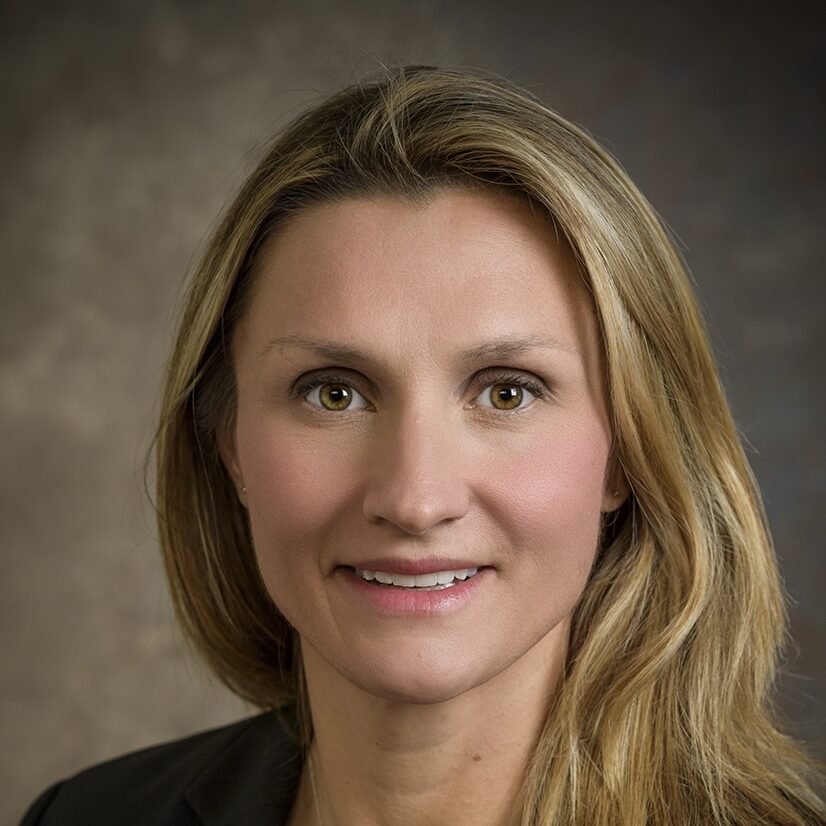
Core Co-lead
David Chen, MD, MPH
Physician Scientist, Institute for Research; Founder and Medical Director, Empowering Victims of Lived Violence, ChristianaCare
Core Members
Omar Khan, MD, MHS, FAAFP
ChristianaCare
Deborah Knight, RN
Delaware State University
Alexandra Mapp, MPH
ChristianaCare
Abby Nerlinger, MD, MPH, FAAP
Nemours Children's Health
Bianca Nugent-Whyte, MSN, RN
Delaware State University
program direction
Program aims
01
Support clinical and translational research that addresses diverse community health needs and social & structural determinants of health.
02
Recruit and train clinicians and scientists to conduct clinical and translational research shaped by community needs.
03
Expand community engagement and outreach programs with Delaware agencies and community partners to promote health and well-being.
Contact this core
Contact the Community Engagement & Outreach Core
A short note is enough. Include whether you are a community member, researcher, student, health professional, or organization; the decision you are facing; and any timing we should know about.
Need information in another format or language? Include that in your message so the team can plan an accessible response.
Community Engagement & Outreach Core
Share your timing and access needs. The team will confirm next steps and availability in its reply.
Note: This site is protected by reCAPTCHA and the Google Privacy Policy and Terms of Service apply.